A conversation with Arqº Pedro Appleton
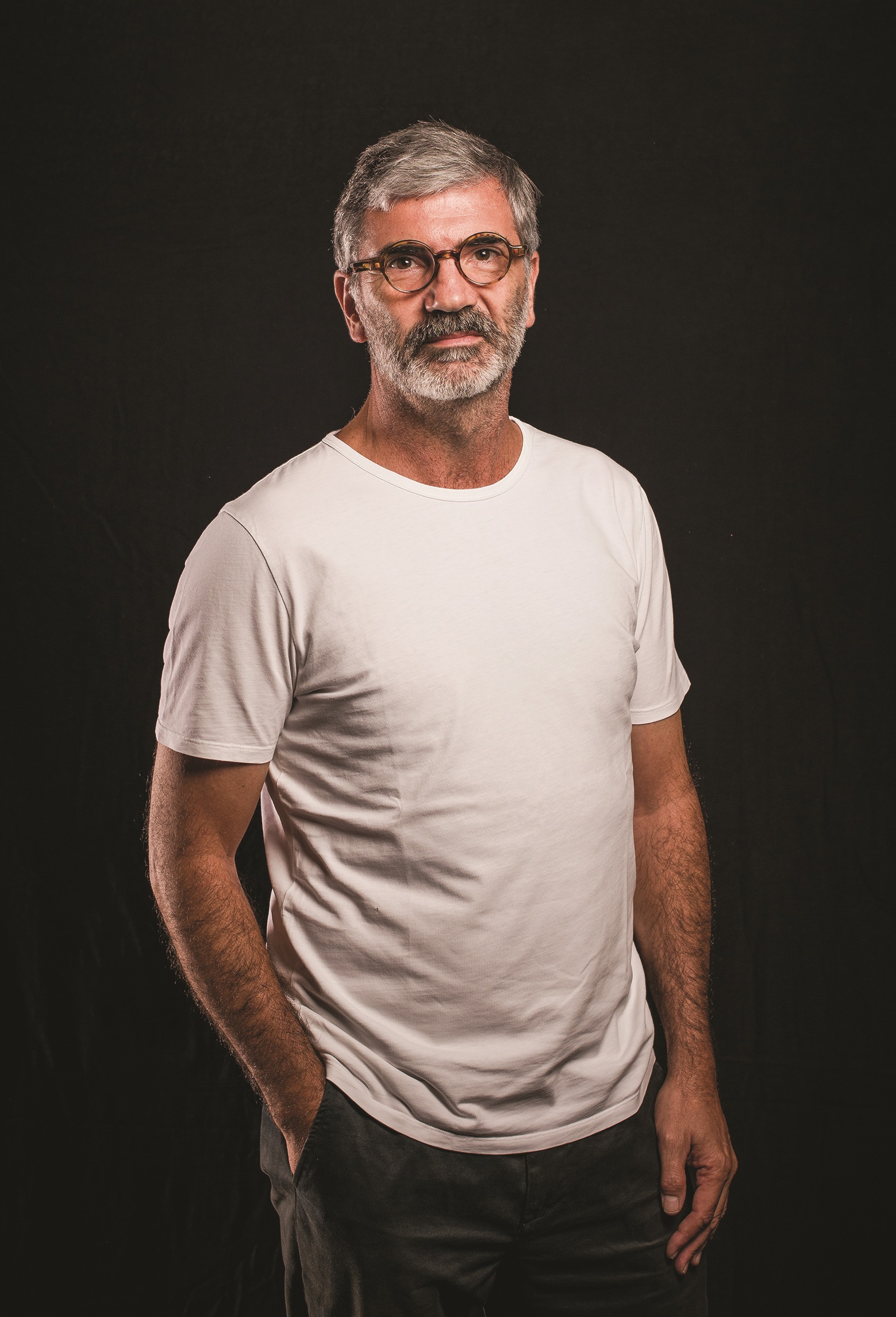
A conversation with Arqº Pedro Appleton
'When we can design, we can do so with certain 'keys,' rather than 'clichés,' such as 'inclusion' or 'sustainability.' The chance to design a space or use that provides a good experience for everyone ends up being an intrinsic aspect of the design process'
To get to know you better, tell us a little about your journey. How did your interest in architecture begin?
I can’t remember exactly, but when I was little, I really enjoyed building things – Lego, the electric train, a farm that my father made for us – then I lost interest in playing, I preferred building… and destroying to build again, differently.
I come from a family of engineers, but I was always more interested in architecture. Early on, in high school, I opted for that area and was especially influenced by art history. There were also friends who would send over magazines from London with trends in music, fashion, design and architecture that we would eagerly leaf through – that, yes, really interested me.
You collaborated in several design offices before joining PROMONTÓRIO. Can you talk a little about those experiences and influences?
I learned on the job with the masters in the studios, I experimented a little. Influences are a more complex and even mysterious subject. Even before architecture school, I had been interested in and worked in film, from which I retain the illusion of space and the artifice of light. Then I did layouts for gas stations for ESSO, during a didactic and very practical vacation they organized. In the middle of my first year of college, a professor friend directed me to help in Luís Casal Ribeiro’s studio, where I met Miguel Passos Almeida and Miguel Aresta Branco, I did a bit of everything – heliographic copies, hand-drawn sketches heavily scraped with Gillette blades, then I stopped. Later I started participating in a competition at Promontório, I stayed, then I stopped again, I set up a studio with some friends in Príncipe Real, mainly to finish our course… and then I returned to Promontório, where we’ve been doing everything since.
Currently, you are dedicated to design for people with special needs and to environmental design strategies. Tell us about these areas in which you have a particular interest.
Interest, need, or responsibility, I’m not quite sure. When we can design, we can do so with some “keys,” rather than “clichés,” such as “inclusion” or “sustainability.” The opportunity to design a space or a use that is a good experience for everyone ends up being an intrinsic aspect of thinking. Conversely, circumventing the issue of resources, the adequacy of means, or the long lifespan of buildings also do not seem to me to be paths of good conscience.
How do you define the way of thinking and doing architecture at PROMONTÓRIO? What are the principles that underlie your work? What do you look for in each project?
We seek to create exceptional cities, buildings, and spaces based on the idea of meaning, robustness, and durability. For us, the language of buildings is inseparable from the language of the construction that sustains it, gives it expression, and endures over time – any use demands these principles and conforms to them – therefore, the nature of the materials is very important, both in their function and expression, and validates coexistence in a place.
What moments would you highlight from PROMONTÓRIO’s activity throughout its existence?
The studio had three important moments: a first one, where it developed many housing and cooperative housing projects. We learned to place great importance on cost control and construction quality; a second moment, where we developed and created principles for the development of large shopping centers. Here, the ambition to be an international studio and to have procedures like those we recognized in the world of Anglo-Saxon studios, with whom we worked extensively, began to take shape. A third moment, which also coincides with our effective internationalization, in which we designed hotels and resorts, large plans for mixed uses, for which we added a strong component of landscape architects, interior designers, graphic designers, and image designers to our team. Throughout this history, we have always participated in competitions and created special buildings such as aquariums, museums, schools, universities, and implemented a quality project in the provision of services and internal organization.
What do you expect for the future of the studio? Is there any challenge you would like to try?
An architect’s activity is always focused on the next project. Ambition is primarily related to knowledge and what we can provide in that area: any program, context, or problem makes you explore a topic in depth and with specialization. I aspire for the studio to focus its talent, knowledge, and work on facing each challenge with the integrity required in this process, fulfilling what distinguishes Promontório in the architectural landscape.
This interview is an integral part of Artes&Letras magazine #187, april 2026
Partially automatic translation from portuguese: some expressions may differ from their actual meaning.
News & Interviews
A conversation with Eng. Guilherme Pinho e Silva
'Brisa focuses on people. We seek to innovate in new technologies and methodologies. I am responsible for the efficient management of assets in order to achieve the objectives in a sustainable way. ’ Read more
A conversation with Armando Martins
'Investing in young artists is very important because the initial path is difficult. (…) I think that everything done for art (…) is always positive. This type of initiative from Betar can help artists pursue a more serious career path' Read more
A conversation with Arch. José Laranjeira
‘The idea of a ‘master’ is something that is being lost because there is no dynamic for this kind of relationships that were established in the ateliers, when I started the profession.’ Read more

