A conversation with Armando Martins
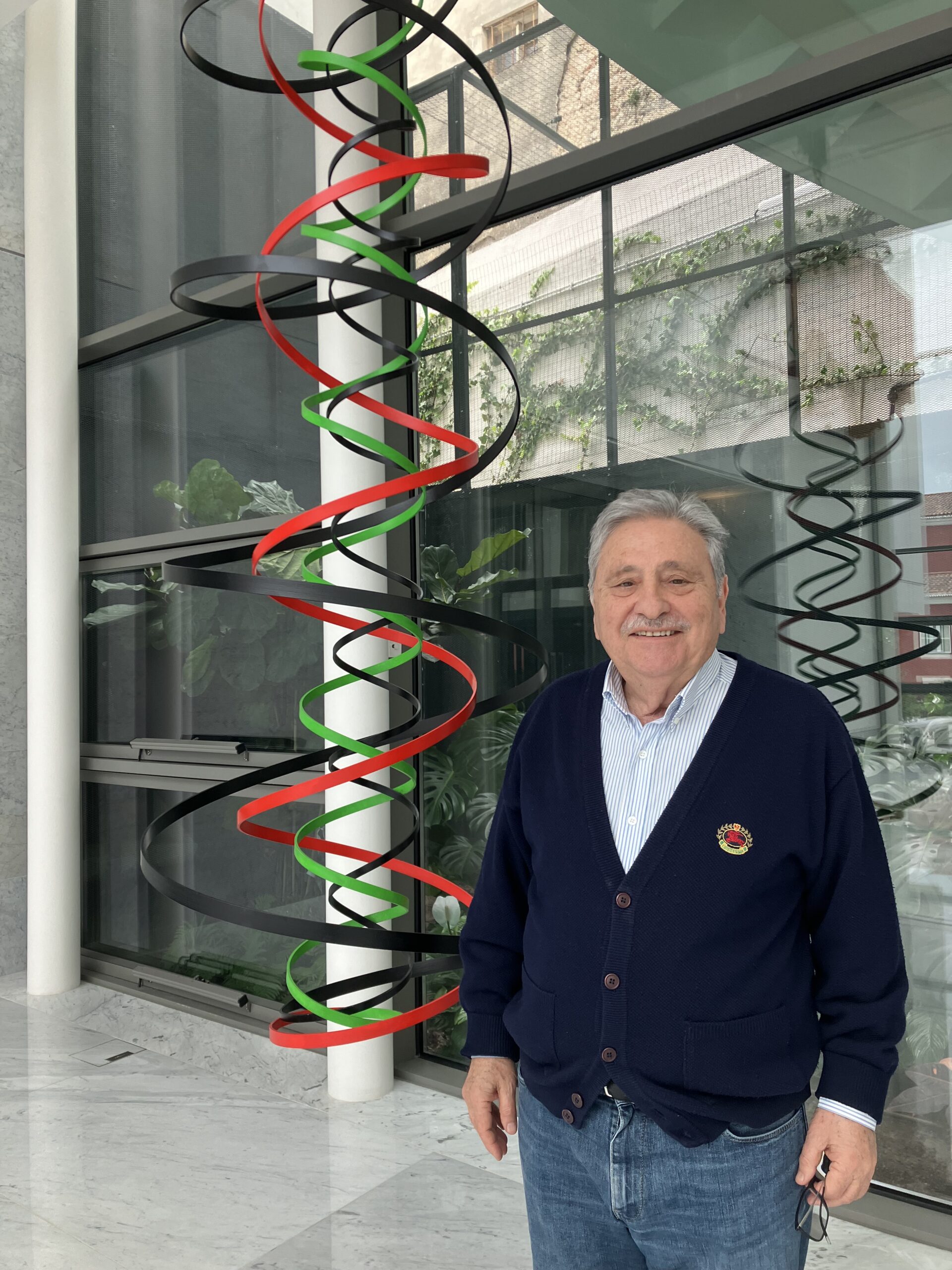
A conversation with Armando Martins
'Investing in young artists is very important because the initial path is difficult. (…) I think that everything done for art (…) is always positive. This type of initiative from Betar can help artists pursue a more serious career path'
For those who didn’t have the opportunity to read the interview that Artes&Letras conducted with you in connection with the inauguration of the MACAM Museum, could you explain how your passion for contemporary art began?
It started 52 years ago. I began by buying serigraphs, mainly by Manuel Cargaleiro. When I turned 25, I bought my first original, a piece by Rogério Ribeiro. For several years I mainly bought 20th-century Portuguese art, for financial reasons and because there were few works by international artists, and it was from there that I began to build the collection, without a clear idea of what I would do with what I was acquiring. In 1988, I held an exhibition in Penamacor with two friends. We expected 20 or 50 people to attend, it had only been advertised on one radio station, Rádio Monsanto, and more than 400 showed up. It was surprising.
Was it from then on that you realized you could do something more with the collection?
Yes, that exhibition was the trigger. From the 90s onwards, I opened the collection to international artists, acquired larger works, and explored other themes, such as photography, and later video. I began to realize the idea that I would have to open a space to the public in 2003. I won a competition for a space in Cais do Sodré, but then, due to political issues, I ended up losing it. On the one hand, it was a good thing, because in 2006 I ended up acquiring the palace where MACAM is now located. The project was delayed because of the subprime financial crisis; construction began in 2018, and then came Covid… We finally opened on March 21, 2025, and so far, we have had more than 80,000 visitors. Meanwhile, I have already received the Commendation of the Order of Prince Henry the Navigator and the Medal of Cultural Merit, which greatly honor me; And the Museum received the Vilalva Prize from the Gulbenkian Foundation. We are very pleased with the work done and very grateful to those who have visited and recognized us. Now I would like to repeat all this at the Correio Mor Palace, perhaps more open to sculpture circuits, to take advantage of the property’s space.
Is it easy to exhibit in Portugal? Do you think young artists have the support they need to start their careers?
For collectors, it’s difficult to exhibit in Portugal. I found it difficult to exhibit my collection before the museum existed; the conditions for borrowing pieces were never the best. That’s why, here at MACAM, we have space just for external collections. Regarding young artists, unfortunately, the artist must commit to a gallery to get promoted and even to refine their quality, because the gallery owner not only sells but also recommends the path to follow. There are still two or three Portuguese galleries that show the works of their artists at international fairs, and to enter this circuit, artists must go this way; they very rarely succeed on their own.
And what do you think of these kinds of initiatives from BETAR? Is it important for other players to get involved in promoting the art of young artists?
I think it’s great, it’s a good start, an excellent initiative. Investing in young artists is very important because, as I said, the initial path is difficult. The architect Guilherme Godinho will know how to discover the young people who present their works in the exhibition, but I think that everything that is done for art, no matter how great, is always positive. This type of initiative from Betar, which is happening for the second time, can help artists to follow a more “serious” path. There are people visiting, there is publicity, there are reviews… it’s a very initial path, but I think Betar is doing a good job. In the last edition, I entered the room and immediately saw that there was potential there. I had no doubts about what stood out. And this year is certainly what will happen, I will see what is on display and understand where there may be a path, or not. Being a jury member isn’t easy; it’s a very delicate but necessary job, and my approach will be this: when we’re at the exhibition, I’ll look at the works that seem to have potential, so that the artists will want to pursue them later. Therefore, an exhibition of this kind, which promotes the work of artists at the beginning of their careers, can indeed be an important boost to their trajectory. And I would even recommend to my friend Tiago that Betar establish a collection. The company’s connection to the arts is well known, so Betar could already be thinking about establishing a collection, perhaps even in time for us to exhibit it here at MACAM.
This interview is an integral part of Artes&Letras magazine #188, may 2026
Partially automatic translation from portuguese: some expressions may differ from their actual meaning.
News & Interviews
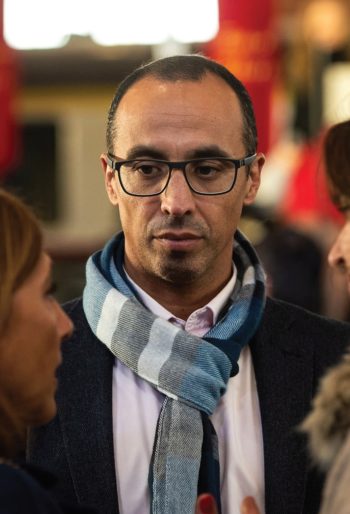
A conversation with Eng. Rui Coutinho
‘The route of our conservation and maintenance decisions lies in the inspection and monitoring activity that aims to identify the most advantageous time to intervene in the engineering structures’ Read more

9th African Transport Technology Transfer Conference
Betar took part in the event with the theme ‘GOA - Reshaping Bridge Management with AI, 3D tools and BIM’ Read more
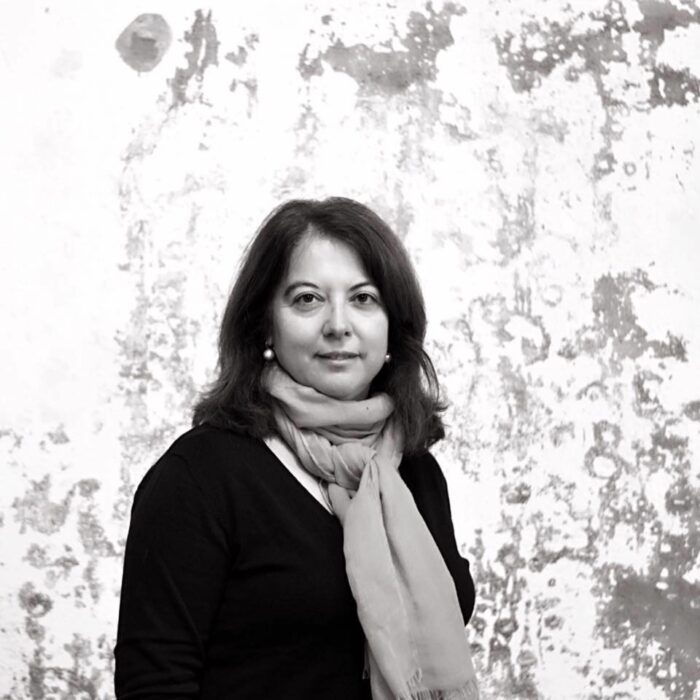
A conversation with Arch. Helena Botelho
'There are times when we have to think about how we can contribute to our society and profession. [In the Ordem dos Arquitectos] we have a critical view and the opportunity to put into practice a set of reflections’ Read more

