A conversation with Arq.º José Veludo
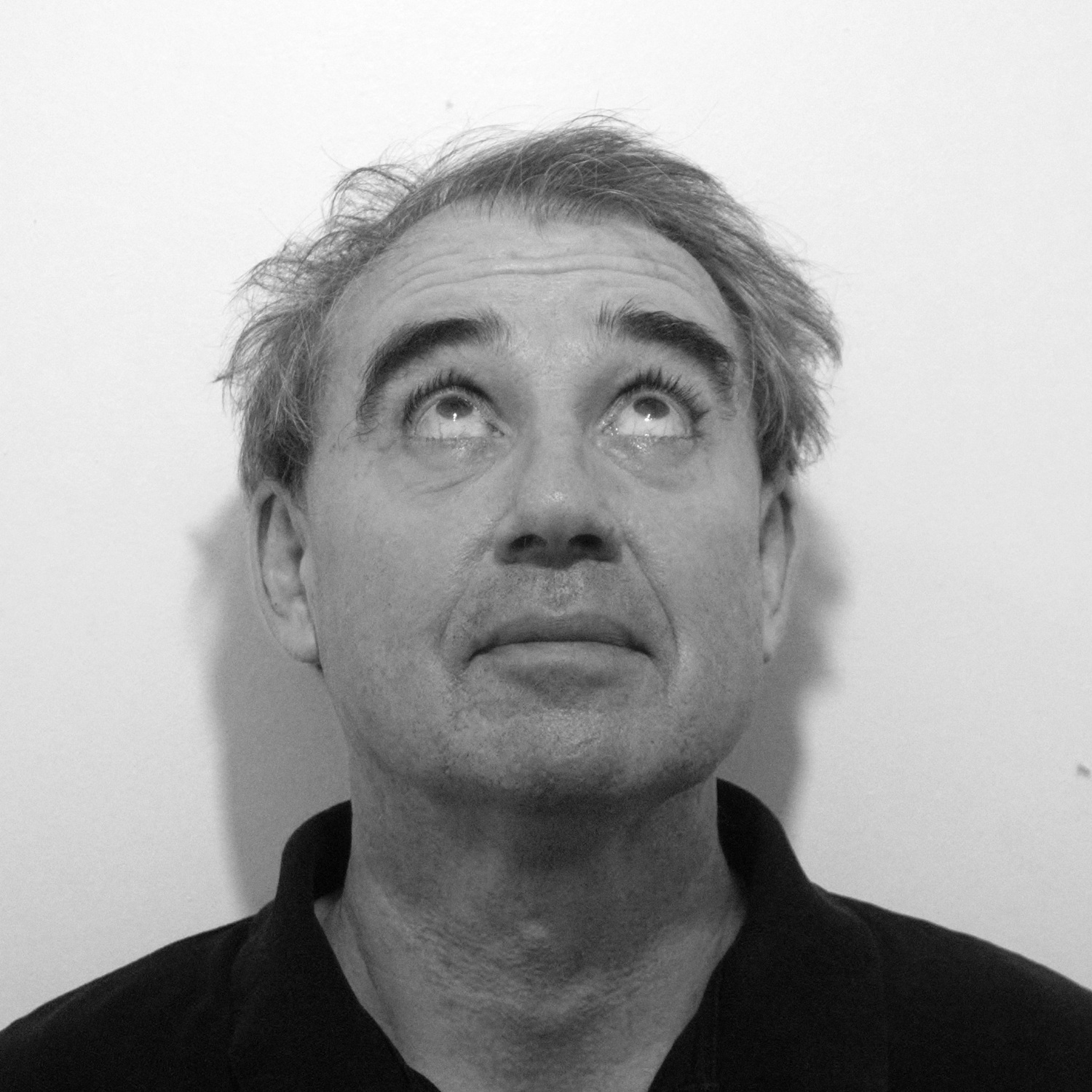
A conversation with Arq.º José Veludo
'It is urgent to intensify the work of mediation between the cultural system and the natural system where landscape architecture is situated. (…) It is urgent to remove pavement, replant public spaces, (…) establish more and greater natural continuities in the heart of cities'
Tell us about your academic and professional background and why you chose Landscape Architecture.
There is a certain family influence: my father enjoyed showing me organized gardens and landscapes. During my youth, our trips around Europe during the summer holidays had precisely that objective. Furthermore, my academic path was marked by many changes and uncertainties until the third year of the Landscape Architecture course at the Higher Institute of Agronomy, at which point I became convinced and discovered my passion.
A landscape architect has numerous responsibilities in landscape management, both in public and private spaces.
In the planning, design, and management of the landscape. Yes, the scope of landscape architecture is quite broad: ordering, requalification, and regeneration of the landscape and its primary elements (air, water, and soil), gardens, parks, public spaces, integration of buildings and infrastructure, and the design of all types of outdoor spaces.
What are the main planning strategies, methods, and techniques that NPK uses to address environmental, sustainability, landscape and natural heritage reconversion or conservation issues?
The strategies vary according to the social, ecological, economic, and temporal context in which the planning or project takes place. However, there are principles that are always present, such as: the imperative of soil and water conservation, the promotion of biodiversity and natural spontaneity, the understanding of the historical and cultural evolution of the landscape, the search for continuities and the potential of the place, its morphological, biological, aesthetic, or spiritual aptitude.
Do you prefer small-scale, more personal projects, or larger interventions in public spaces?
I like to work at all scales; it is in their contrast that we find the certainties to calibrate each one. However, NPK’s work focuses more on larger landscape scales, particularly in public spaces.
lley, from the airport to the Tejo River.
What are your goals for your studio? Is there a challenging project you would like to work on? Is there one you regret not having completed?
I enjoy designing parks; there are many projects I regret not completing, but I quickly forget about them to focus on the next one.
Currently, I prefer to think about larger-scale projects. For example, I would like to work on creating a new green space for the city of Lisbon, the eastern green corridor, along the Chelas valley, from the airport to the Tejo River.
It’s always difficult to make predictions, but what trends do you see happening? Do you consider that Landscape Architecture has a good school and a promising future?
Landscape architecture has good schools in Portugal, proof of this is the numerous landscape architects of recognized value in activity, producing work in studios and institutions.
Yes, the future for Landscape Architecture is promising, regarding the amount of challenges and work we have ahead of us, the landscapes, the places we inhabit, as well as our dreams, are in constant transformation. On the other hand, our capacity for destruction of the nature that sustains us has been growing, and in this sense it is urgent to intensify the work of mediation between the cultural system and the natural system where landscape architecture is situated.
Are we moving towards more inclusive cities, with green spaces, where there is a sustainable communion between nature and urbanism, or are we far from achieving these goals?
If the path involves greater inclusion of the natural system in our living space, we are very far from that goal. It is urgent to remove pavement, replant courtyards, free up riverbanks (bring watercourses to the surface), increase horticultural production areas nearby, create more pedestrian spaces, and establish more and greater natural continuity in the heart of cities. It is urgent to naturalize more to have greater natural spontaneity close to us.
You once said that “Lisbon needs far more trees than roads”. Is there a lack of “political will” preventing large cities from seeing more large-scale landscape architecture projects emerge?
Yes, it seems to me a factual observation; there are few streets that are not roads, and many streets that are not tree-lined or adequately tree-lined.
On the other hand, the effort to alter city landscapes, to increase coexistence with the natural system, will only be useful if we find new management models that allow for their maintenance. It has less to do with projects and more to do with policies and the search for new cultural realities that bring the population closer to nature in everyday life – not only as an observer, but as an active participant in its care, production, and protection.
This interview is an integral part of Artes&Letras magazine #184, january 2026
Partially automatic translation from portuguese: some expressions may differ from their actual meaning.
News & Interviews
A conversation with Eng. Guilherme Duarte
'My desire is to stay in Africa because contributing to this structural change is priceless. It is not about telling the story, but being part of it.' Read more
A conversation with Arch. Fernando Bagulho
There is a rally of C130 planes, systematically won by Portuguese from the Portuguese Air Force, which owns half a dozen planes, against crews of countries with hundreds. I will say the same about the architects of a land where the easy is never possible and everything is achieved with effort ’ Read more
A conversation with Arch. Gilberto Pedrosa
'The genesis of SPACEGRAM was based on the promise to free projects from the most expected or recycled design solutions, always betting on a strong conceptual approach as the motto for its development' Read more

