A conversation with Arqº Rodrigo Machado Soares
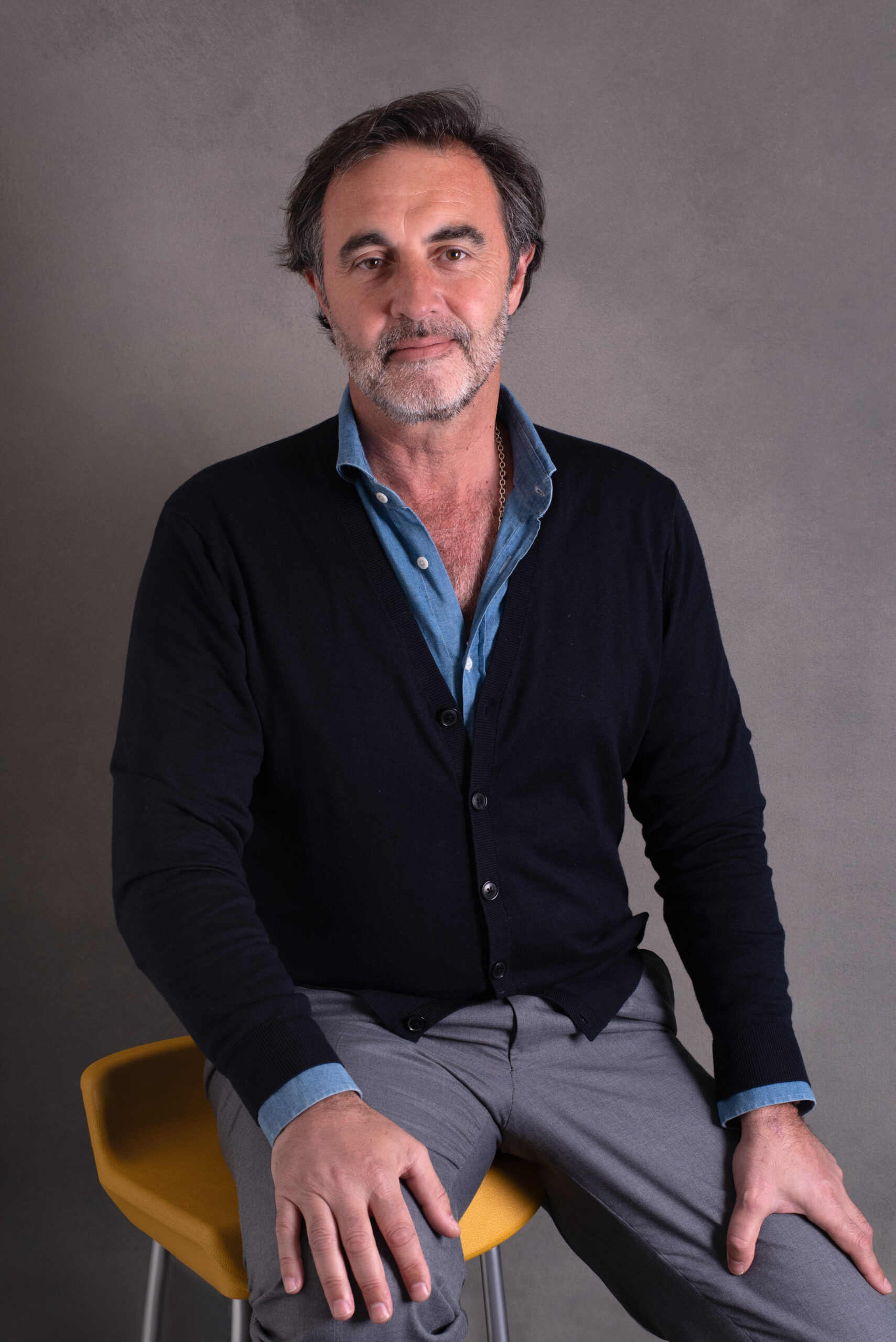
A conversation with Arqº Rodrigo Machado Soares
'We want to establish AQA as one of Portugal's leading architecture and design firms, driven by quality, rigor, specialization, and the ability to create value'
I would like to start by asking you to tell us a little about your professional background.
I graduated in Architecture in 1998 and, early in my career, joined INTERGAUP, where I worked for five years. It was a pivotal experience, as it allowed me to work on demanding projects and understand architecture not merely as a creative endeavor, but also as an activity involving significant technical, economic, and human responsibility.
Later, I pursued an independent path and founded RMS in 2010. Over the years, the company grew, diversified its expertise, and solidified relationships with clients and partners. The creation of AQA is the result of that evolution and the coming together of two complementary professional journeys. Merging RMS with INTERGAUP enabled the creation of a larger-scale organization with expanded capabilities and a shared vision for the future.
It is a recent project, yet one built on a very solid foundation. How would you describe the studio’s evolution over this first year?
This first year was primarily a period of integration and development. Although AQA is a new brand, it brings together decades of experience, an established team, and a diverse portfolio.
The main challenge was merging two companies, each with its own history, into a single organization sharing common processes, culture, and objectives. We have been strengthening management, team coordination, production control, and business development, all while maintaining the partners’ close involvement with projects and clients.
The overall outcome is very positive. We confirmed the existence of a solid foundation and a genuine opportunity to create something new, something more structured and poised for growth.
AQA is not merely the result of merging two firms; it aims to be a “distinctive and transformative project.” What do you look for in each project?
We seek to create lasting value for people, the client, and the territory. This requires understanding who will use the spaces, interpret the context, and address the environmental, social, economic, and technological challenges of the present.
For every project, we begin by identifying the right problem. Architectural quality is essential, but it must be linked to functionality, feasibility, technical rigor, and execution capability.
We also aim to manage projects in a more integrated way, coordinating architecture, engineering, and information management, to reduce risks and provide the client with a more comprehensive solution.
Your website states that you create “space for architects to grow and help others grow.” Is AQA also a “school” where the entire team is actively involved?
We want AQA to be a place where people work, but also where they learn, take on responsibility, and grow. The experience of the partners and senior staff is only valuable if it is passed on to new generations.
We aim to involve our teams in the reasoning behind decisions, in client relationships, and in gaining a comprehensive understanding of projects. We are also developing clearer criteria for career progression, performance evaluation, compensation, and bonuses.
Profit-sharing must be sustainable, transparent, and linked to both collective and individual performance. The company’s growth should translate into opportunities and recognition for those who contribute to it.
What do you consider to be the main issues and changes within the architectural profession, and how do you view the national architectural landscape today?
The profession has become more complex. Projects are more demanding, regulations have increased, deadlines have tightened, and clients have become more professional. However, fees have not always kept pace with this evolution.
One challenge lies in better demonstrating the strategic value of architecture. Architects need to get involved earlier in the process, helping to define programs, test scenarios, assess risks, and support investment decisions.
Technology is also transforming the profession. BIM and artificial intelligence do not replace architectural thinking, but they do alter processes, skill sets, and coordination methods.
Portuguese architecture continues to be of exceptional quality and highly acclaimed. The challenge lies in creating more robust business structures, improving working conditions, fostering greater specialization, and establishing a more consistent international presence.
What do you envision for AQA’s future? Is there a particular type of challenge you would like to take on?
We want to establish AQA as a leading Portuguese architecture and design firm, recognized for quality, precision, specialization, and the ability to create value.
We intend to grow sustainably, participate in projects of greater scale and complexity, diversify into new sectors, and strengthen our international presence. We also want to evolve toward a more integrated service offering, bringing architecture, engineering, and coordination closer together.
A particularly interesting challenge would be to participate from the outset in a project with significant territorial impact, contributing not only to the building design but also to the program, the strategy, and the relationship between investment, the territory, and the community.
Internally, we want AQA to serve as a platform for the growth of people, skills, and future partnerships.
This interview is an integral part of Artes&Letras magazine #192, september 2026
Partially automatic translation from portuguese: some expressions may differ from their actual meaning.
News & Interviews
A conversation with Arch. Miguel Berger
'In Luanda I feel at home. During the first days I walked with a camera in my hand, touched by the buildings. I really like being here, my life started again at 40. ’ Read more
A conversation with Arch. Margarida Silveira Machado e Maria João Gamito Leal
'The studio [of architect Gonçalo Byrne] is a place where there is room to grow, to develop ideas, to surpass ourselves, but it requires great availability and commitment (...) he taught us that you learn a lot from listening to others' Read more
A conversation with Arch. José Forjaz
'I am an internationalist. Only like that we can be consistent with a society that we want closely integrated. I feel like an architect. I think our homeland is where we work. ’ Read more

