A conversation with Arq. Luís Rebelo de Andrade
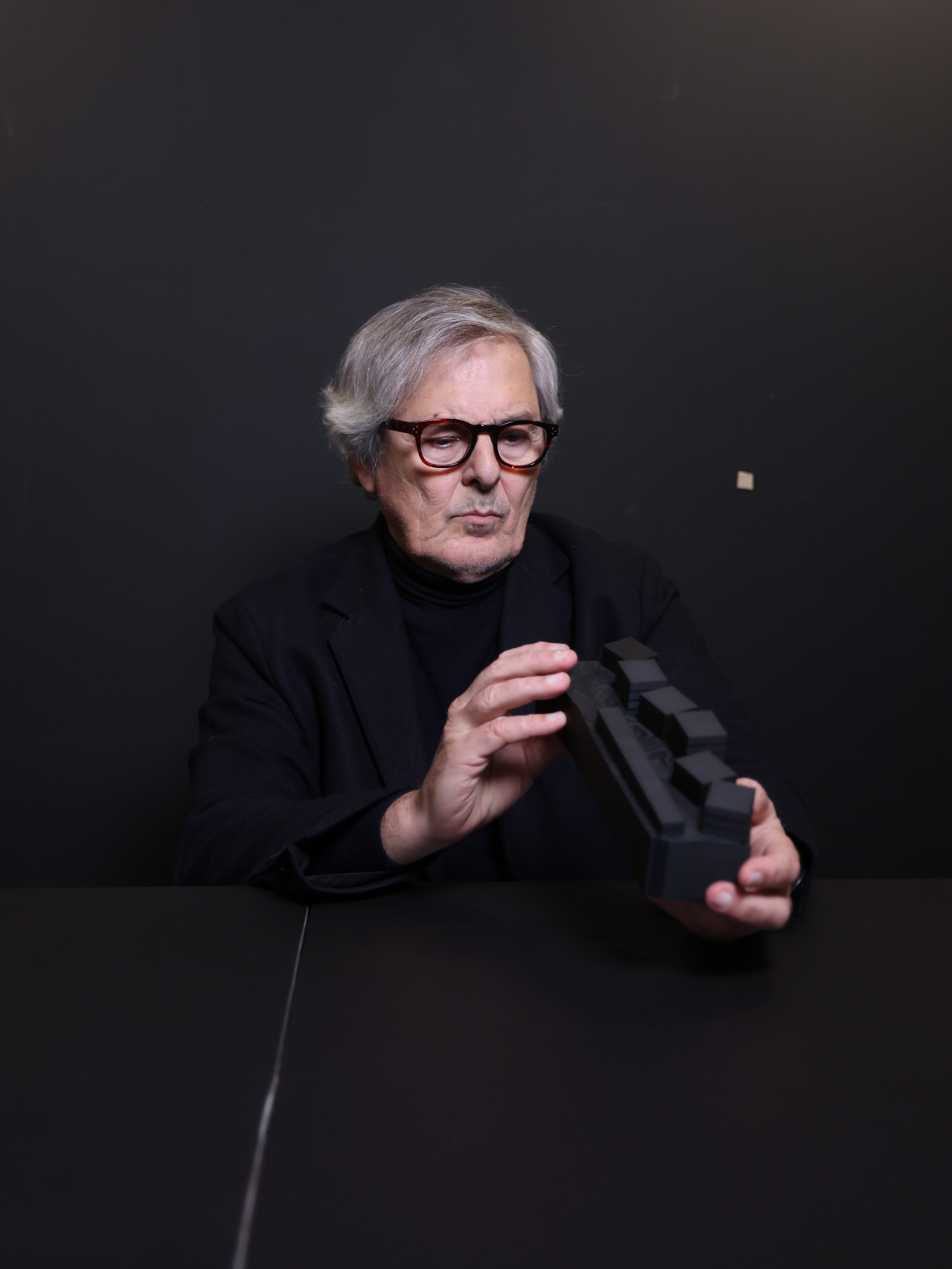
A conversation with Arq. Luís Rebelo de Andrade
'Architecture is not a gesture, it is not just about designing something beautiful, it is about designing something solid (…) we do not build buildings because they are in fashion, (…) we try to respond to build a better landscape that (…) contributes to a better quality of life for people'
Before pursuing architecture, I wanted to be a sculptor. In 1989, you opened your studio. What principles have guided your work?
I wanted to study sculpture, but my parents convinced me that I didn’t have the talent to live the life of a sculptor. So, I pursued architecture, which was perhaps the closest option. I opened my studio after eight years of experience at another firm, which gave me the tools to begin my own project.
Architecture is a very complex discipline, encompassing many areas of knowledge, far beyond design. It’s a humanistic profession. I often say that we have several clients: the ones who pay us, the people who live in the places where we work, and all those who end up being affected, positively or negatively, by what we do. This gives us a huge responsibility. We’ve always been concerned with sustainability. We seek to use native materials, a factor that promotes the identity of places, and we care about the thermal envelope, construction quality, and detail. These are the things that have always guided our work. Architecture isn’t a gesture; it’s not just about designing something beautiful; it’s about designing something solid. It’s curious that today some projects have become less sustainable. How is it possible that you see black buildings, when black is perhaps the least sustainable coating there is, or buildings almost exclusively made of glass? We don’t participate in this. We don’t build buildings because they’re trendy. We evaluate the territory, the program, the identity of the place, and we try to respond by building a better landscape that, in turn, contributes to a better quality of life for people. Architecture is here to stay, but unfortunately, we witness many projects that are discarded because the programs aren’t sustainable, or the construction is of poor quality. This has reasons, causes, and origins, starting with the promoters who consider the work of Architecture and Engineering a cost, not an investment.
Several of your projects have received awards. What do these distinctions say about your work? And what direction do you intend to take the studio?
These are kind compliments that we deeply appreciate. We feel we’re not just thinking in vain and that our reflections and assessments on architecture are on the right track. We’ve been extensively involved in the rehabilitation of heritage sites, both common and listed, and we’ve also developed many projects in the hospitality sector, especially luxury hotels, where we’ve been recognized. Three of our hotels have received Michelin Keys, and one hotel was considered one of the 10 best luxury hotels in the world. This is a source of pride and represents the certainty that we’re doing the right thing and doing the right thing.
At the studio, we take great care in selecting our clients. We seek good clients who respect our work, enjoy engaging with us in healthy discussions about the project and solutions, and view our work as an investment. Each challenge is an equation to be solved together. We also seek to collaborate with reputable engineering firms that develop responsible and serious work. Each project has its own DNA; there are no pre-packaged solutions to problems; each project must be viewed on its own merits.
The Ordem dos Arquitectos wasn’t invited to the discussion on housing law. Wouldn’t that have made sense?
Unfortunately, in city management, there’s much to do. The Ordem dos Arquitectos isn’t invited because politicians are arrogant; they think they know everything. But what we’ve seen is that land management laws have been very poorly drafted and implemented. Architects have a monumental list of complaints, particularly regarding the project licensing model, which is a disaster. We’re a very important part of the process; it’s important to listen to those in the sector, those who experience the sector’s problems day-to-day. We witnessed a Simplex system intended to promote more construction that only delayed the process. Politicians alone can’t do it. They even lack humility and intelligence to look to other countries, where these systems are very well-established and could serve as a model for ours.
Here in the studio, we’ve been holding some discussions with architects, urban planners, and people from the City Council and elsewhere about urban management. I think the state should license private companies to handle project licensing. City governments should be kept out of this, focusing exclusively on planning, urban planning, and oversight. The idea isn’t mine; it’s based on the basic idea that a backward country is fortunate enough to be able to copy more advanced countries. If things work well in other countries, why not adopt these models?
This interview is an integral part of Revista Artes & Letras #179, august 2025
Partially automatic translation from portuguese: some expressions may differ from their actual meaning.
News & Interviews
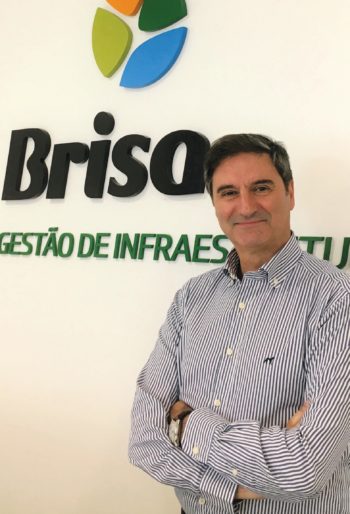
A conversation with Eng. Guilherme Pinho e Silva
'Brisa focuses on people. We seek to innovate in new technologies and methodologies. I am responsible for the efficient management of assets in order to achieve the objectives in a sustainable way. ’ Read more
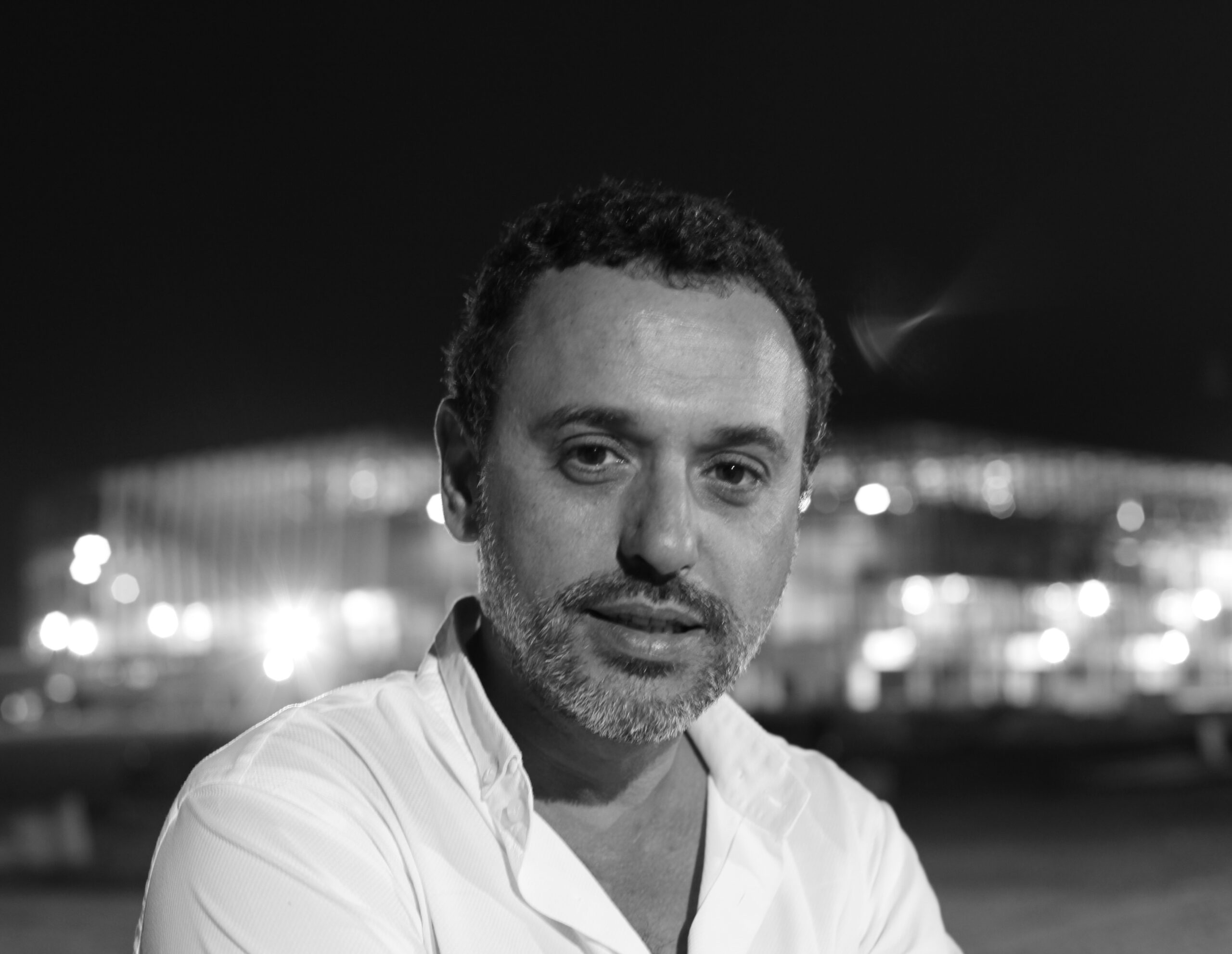
A conversation with Arch. Miguel Berger
'In Luanda I feel at home. During the first days I walked with a camera in my hand, touched by the buildings. I really like being here, my life started again at 40. ’ Read more
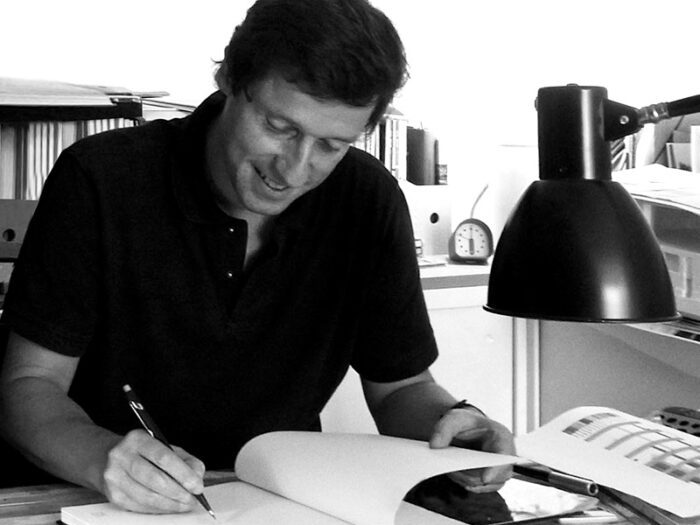
A conversation with Arch. Falcão de Campos
‘An architect is, par excellence, a non-specialist, has a global vision, coordinates various knowledges, both draws a handle as is able to plan parts of a city.‘ Read more

