A conversation with Nigel Hallowes
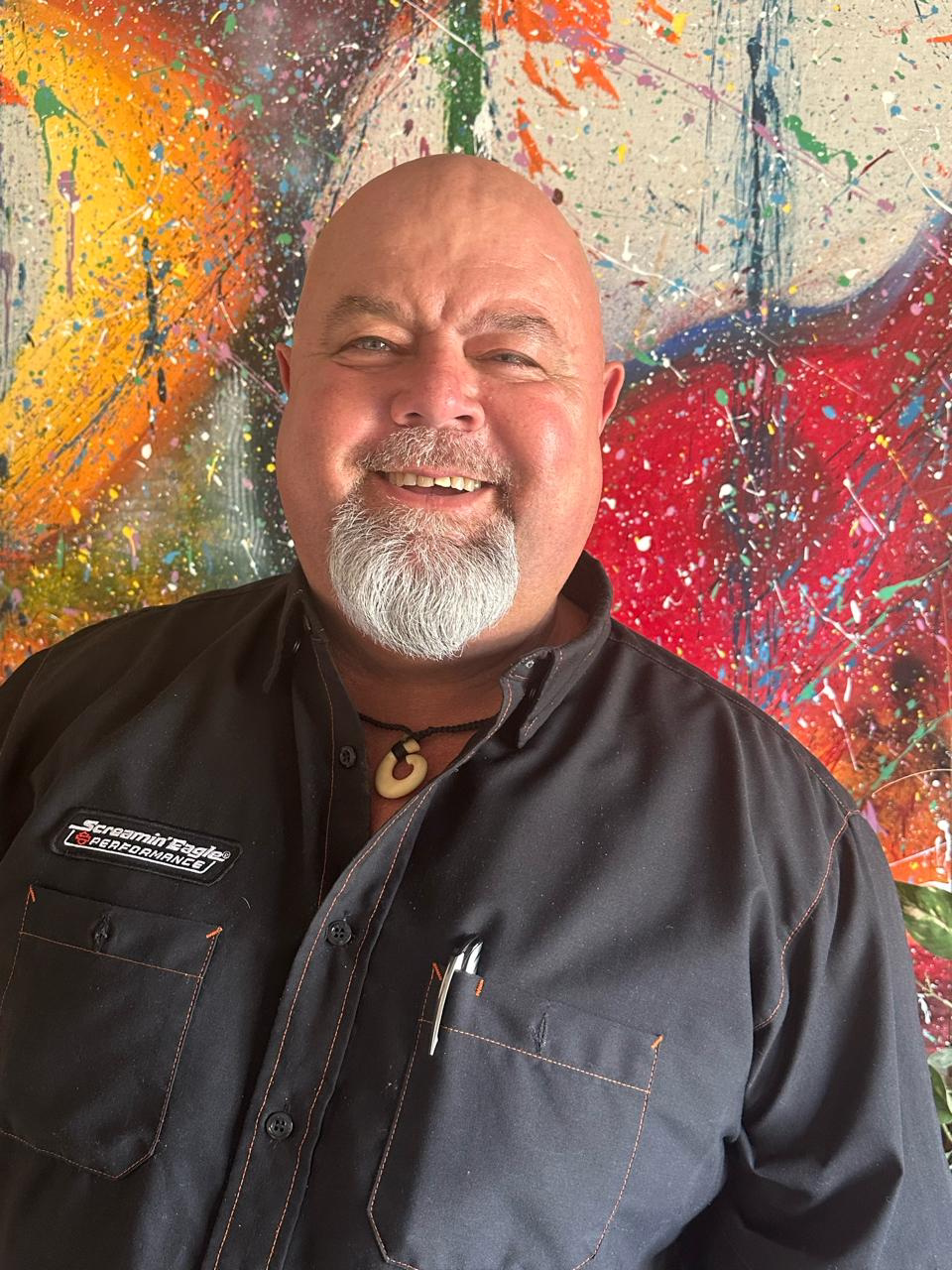
A conversation with Nigel Hallowes
'At Kudumba we work to ensure that each site is functional and efficient (…) with the aim of offering safe, sustainable and high-performance [customs control] operations'
How did Kudumba Investments come about? And what is a Non-Intrusive Inspection service provider?
Kudumba was founded with a clear objective: to modernize and strengthen customs control in Mozambique, ensuring that goods and vehicles are inspected quickly, safely, and sustainably. Since 2006, we have invested in cutting-edge technology, highly trained teams, and strategic partnerships to achieve this goal, always focusing on reducing risks and facilitating legitimate trade.
A Non-Intrusive Inspection service provider implements, manages, and maintains systems that allow inspection of cargo and vehicles without physically opening them, minimizing delays and risks and increasing control effectiveness. In Kudumba’s case, we work to ensure each site is functional and efficient, involving multidisciplinary teams, from engineering to maintenance, with the goal of offering safe, sustainable, and high-performance operations. We create resilient infrastructures adapted to Mozambique’s geography and environmental conditions.
You operate in government facilities, ports, airports, and land, sea, air, and river borders. What are the main challenges?
The biggest challenge is adapting each project to the local geographic and climatic conditions. In Mozambique, for example, we use solutions such as photovoltaic panels for energy production, water collection through Hertzian wells, and lightning protection systems, ensuring operational efficiency and reduced environmental impact. Furthermore, we ensure the resilience of our buildings, using high-performance materials designed for demanding environments. All of this is supported by local technical teams strategically positioned in Maputo, Beira, Nacala, and other regions, ready to intervene at any time.
MZ Betar designed the truck inspection centers at the borders of Mozambique. How do you evaluate the partnership?
Working with MZ Betar was essential to ensure that our truck inspection centers at the borders were much more than functional spaces, but rather truly integrated solutions. From the design phase, we collaborated with Betar engineers and our internal departments (maintenance, information technology, security, finance, and operations) to develop structures tailored to each location. This partnership resulted in sustainable, technologically advanced sites perfectly aligned with the operational demands of our non-intrusive inspection model. Furthermore, there is a joint process between the MZ Betar design team and Kudumba, based on lessons learned that allows for the continuous improvement of already built sites and the enhancement of those currently being scaled.
What has Kudumba’s impact on local communities?
The impact is visible on several fronts: we have created local jobs, trained more than 5,200 officers in systems operation, image analysis, and security protocols, and ensured that practical experience translates into effective border protection. Furthermore, our collaboration with the Government of Mozambique, under a public-private partnership, strengthens customs enforcement capabilities, enabling us to quickly intervene in cases of illicit activity and maintain the flow of legitimate trade. In addition to providing cutting-edge technology and infrastructure, the company invests in continuous improvement processes and a strategic technical network, with teams stationed in Maputo, Beira, Nacala, and other regions. With a 98% uptime rate and 24/7 coverage, these teams ensure that any operational needs are resolved quickly, minimizing downtime and maximizing protection. In one of our border operations, we managed to identify and detain a high-value illicit cargo without disrupting the normal flow of vehicles. This example reflects Kudumba’s objective: to strengthen security without compromising efficiency.
Kudumba Investments is a member of the United Nations Global Compact. Why is this commitment important?
For us, it’s not just about meeting requirements, but about living the principles in our daily lives: respect for human rights, fair labor standards, responsible environmental practices, and fighting corruption. It’s a commitment to integrity, sustainability, and development. With 11 inspection sites in operation and others under construction, Kudumba continues to expand its network and invest in innovation, solidifying its role as a strategic partner in strengthening security and sustainable development in Mozambique.
What are the next steps for Kudumba?
The future involves innovation and expansion. We are studying the application of artificial intelligence to optimize image analysis and suspicious pattern detection, which will enable faster response to threats, as well as the expansion of the network of sites to other strategic locations in the country and, potentially, beyond its borders.
This interview is an integral part of Revista Artes & Letras #180, september 2025
Partially automatic translation from portuguese: some expressions may differ from their actual meaning.
News & Interviews
A conversation with SIA Arquitectura
'A Spanish intern said that at universities in Spain, the two countries that are “case studies” on how to build are Switzerland and Portugal. This is admirable when conditions are so different. ’ Read more
A conversation with Arch. Nuno Teotónio Pereira
'The built space must have good conditions for the functions that are performed there.' Read more
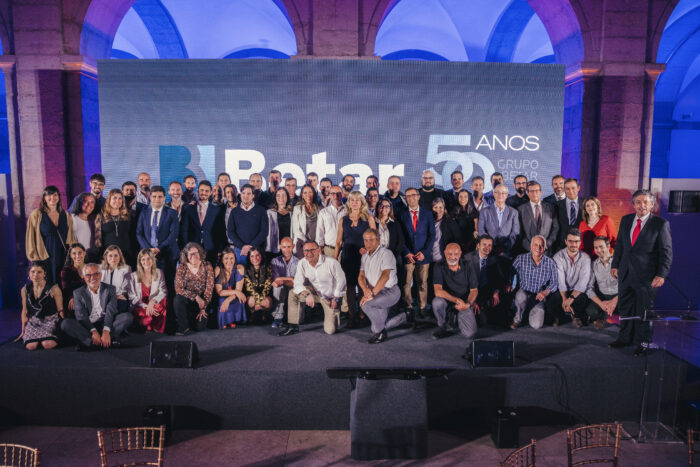
Birthday Dinner
To celebrate the 50th anniversary of BETAR we gathered several customers, partners, employees and friends at a commemorative dinner. Read more

