A conversation with Arq. Rodrigo Vieira da Fonseca
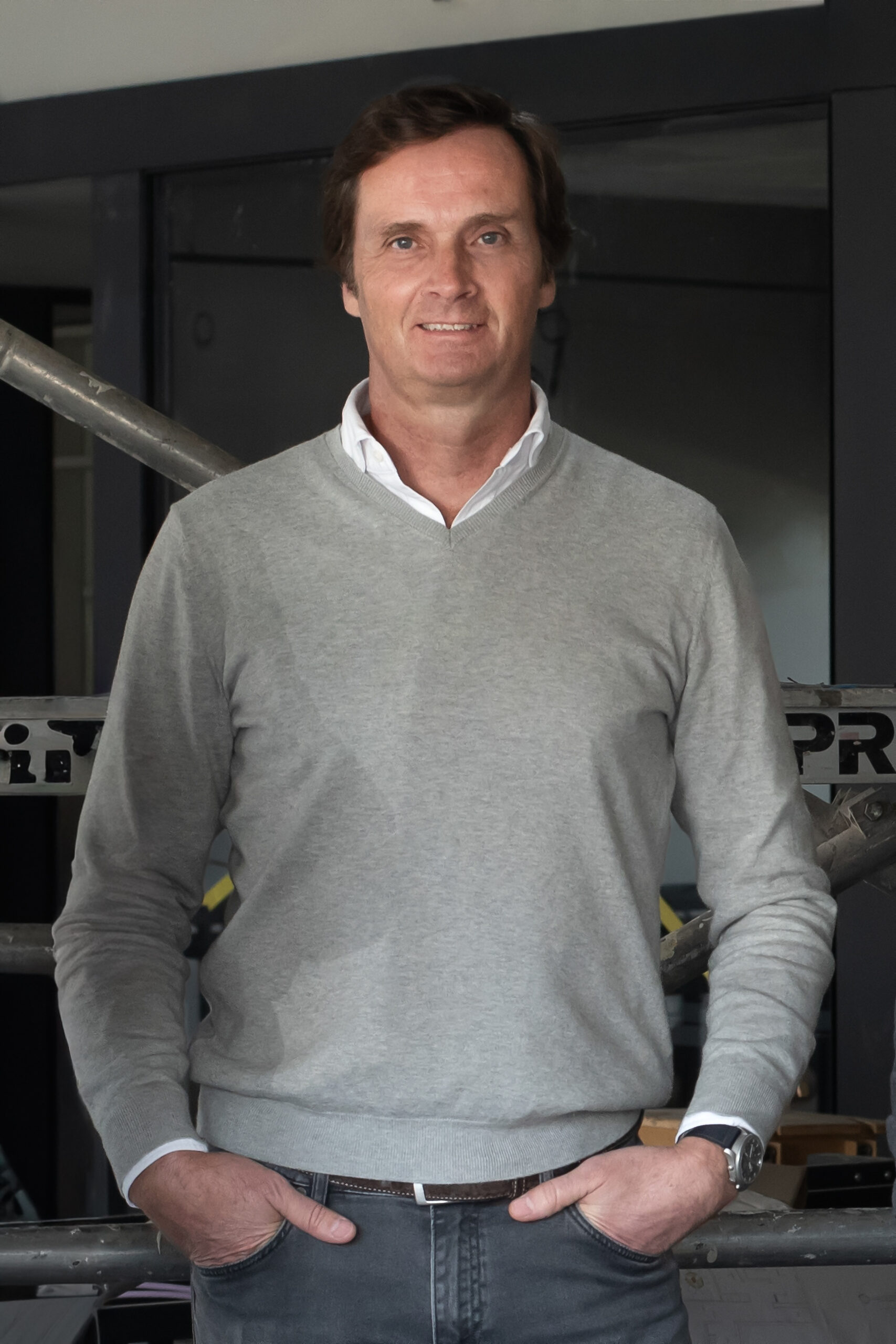
A conversation with Arq. Rodrigo Vieira da Fonseca
'AQA (…) is an ambitious, unique and transformative project. […] We want to be a benchmark in architecture, (…) grow sustainably (…) and leave a legacy for the future'
To get to know you better, I’d like you to tell us how your interest in architecture began?
We must choose the area we want to study very early on, and at the time, without much certainty, I thought I would study engineering. Although I also had a “creative streak,” it never crossed my mind to do architecture. My father, who was an engineer, then suggested that I spend a few days at the metalworking engineering company where I worked, and at an architecture firm, INTERGAUP, run by Nuno Vieira da Fonseca, my uncle, and Diogo Lima Mayer. I started by going to INTERGAUP and immediately identified with that environment. In two days, I had already decided that this would be my professional future, and I didn’t even get to see the engineering firm.
Was it the best start you could have had, considering you worked in a wide variety of areas?
At the time, when I started the course, the office was still small, with about 10 people, and since it was near the university in downtown Lisbon, I could easily go there. I went whenever I wanted, without much regularity, and helped where I could, but it was a way to start getting in touch with the profession alongside my studies. From very early on, I enjoyed being in the office more than at university, and from the second year onwards, I was regularly at the office. The course took a backseat, and today I even regret a little not having taken more advantage of academic life, but it also ended up being crucial in my training, with the opportunity to participate in many different types of projects. The pace was high, and it was a very enriching experience, in an office that was starting to grow very quickly and in an excellent environment. Only in the fifth year did I dedicate myself more to university, to doing my final course project, and then I interrupted my journey at INTERGAUP.
Recently, I was a founding partner of AQA – Arquitetos Associados, which is the result of the merger of INTERGAUP and RMS Arquitetos. What is the basis for the creation of the studio?
I pursued my career as an architect at INTERGAUP and in 2005 I was invited to become a partner. In 2019 there was a change in the partnership structure, with Gonçalo Mayer and Rui Carvalho joining as new partners, with whom I have been leading the office ever since. In 2025, we merged with RMS, which gave rise to AQA.
And why? Were they colleagues, friends, who shared a common vision?
We were colleagues and friends. We met at INTERGAUP where Rodrigo Machado Soares (from RMS) began his career. He then left in 2005 and pursued his professional trajectory until founding RMS. From time to time, we would meet and discuss the problems of the profession, until about a year ago, in one of these meetings, a vision of a common project emerged. AQA is not the result of the simple merger of the two companies, it is much more than that, it is an ambitious, differentiated and transformative project in the landscape of our activity. It also results from the awareness that the activity is changing, we live at a dizzying speed, and the demands are ever greater. We need to have a more robust, more structured and organized company, with a larger size, which gives us more flexibility and responsiveness to the client. This is one aspect. The other was focusing on our employees, creating a career progression system and incentives based on goals to be achieved. In a way, it was about bringing them into the business, sharing results and thinking a bit like us, the partners, but also taking on more responsibility. We want to create conditions to attract and retain talent. On the other hand, we changed the way we organize production. We formed more autonomous and unified work teams, responsible for a set of projects and led by a coordinator who organizes and distributes the work within the team. This is the first year of the “AQA Project,” but it has been very rewarding because we have truly felt a different attitude and response. These are major transformations, and I think they having an excellent result.
How would you define AQA’s way of thinking and doing architecture?
Our DNA hasn’t changed, both at INTERGAUP and RMS, and now at AQA; the focus has always been on responding to the client combined with quality architecture. This is fundamental: doing the architecture we like, but without compromising the principles that guide us.
What is your vision for the future?
We naturally intend to continue the AQA project. It’s very recent, and there’s still a lot to do. In this short period, about six months, we’ve had to reconcile many changes with our day-to-day work. We feel we’re on the right track, but it’s always difficult to change habits. We need time to mature the changes. We want to be a reference in architecture and, as a company, have the capacity to grow sustainably, to innovate and self-regenerate, and to leave a legacy for the future.
This interview is an integral part of Revista Artes & Letras #182, october 2025
Partially automatic translation from portuguese: some expressions may differ from their actual meaning.
News & Interviews
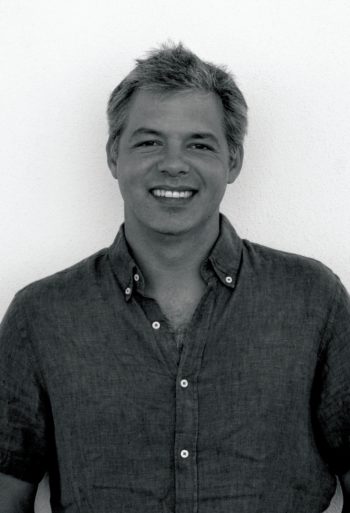
A conversation with Arch. Afonso Almeida Fernandes
‘CAuSA intends to be an association of architects and engineers, who want to help, but it lacks time and initiatives’ Read more
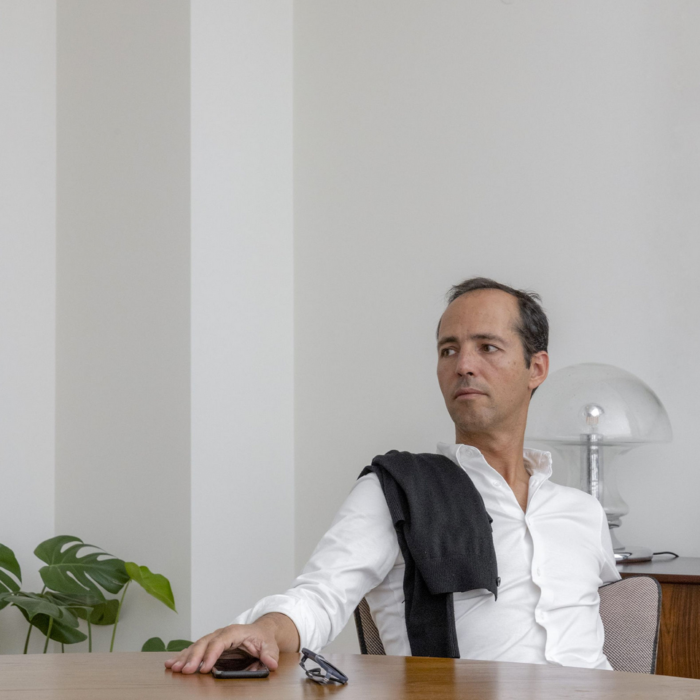
A conversation with Arch. Luis Pereira Miguel
‘More and more, when I see other works, which I like, of other colleagues, I feel great respect. It is not easy to do well’ Read more
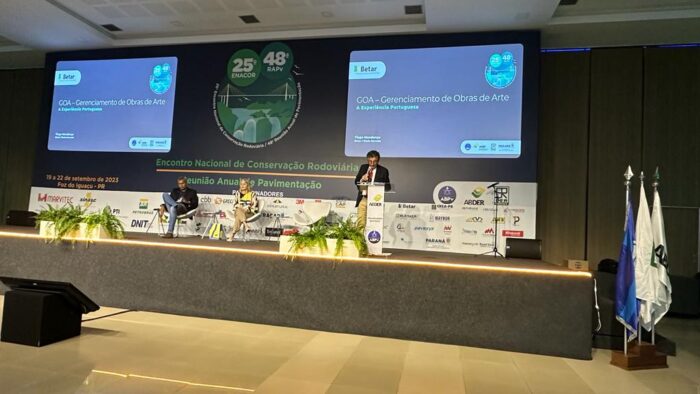
International Congress with Tiago Mendonça
Tiago Mendonça was a speaker at the 25th ENACOR - National Meeting of Road Conservation and 48th RAPv - Annual Paving Meeting, which took place until today at the Rafain Palace Hotel & Convention, in the city of Foz do Iguaçu, Paraná State, Brazil. Read more

