A conversation with Arq. João Pedras
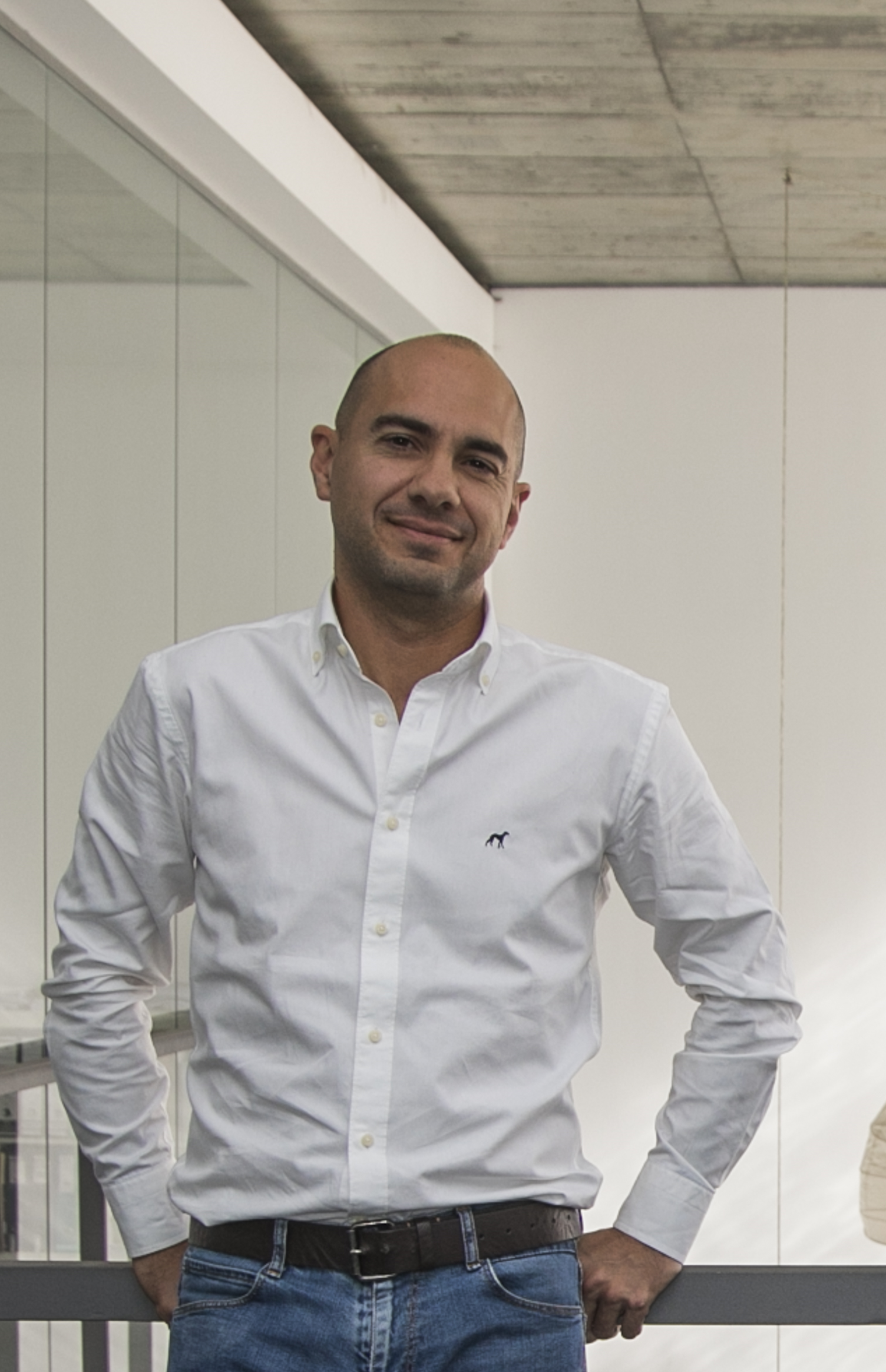
A conversation with Arq. João Pedras
'The architectural project has taken in the museum's works of art very well, there's a symbiosis, the project doesn't overlap (...) but provides very pleasant areas for contemplation. Outside, the Palace has (...) a strong presence, and then there's the explosion of modernity of the new building'
We had the pleasure of interviewing you in 2020. Five years on, has Metro Urbe changed much?
Naturally, yes, in these five years we have evolved, because the world has also evolved, and architecture is one of the areas that must adapt to new realities, spaces must adapt to new experiences, lifestyles, and envision what the future might be. In addition to the spatial approach, concepts and trying to keep abreast of all the new techniques and regulations, we are always interested in innovation, not least because the market is very competitive, and we want to make a specific and special contribution in architectural terms. Architecture, for all intents and purposes, is an art and as such must create emotions that are not always found in everyday life.
At the time, we were finalizing the MACAM Museum/Hotel project, which has been inaugurated. You designed 13,000 square meters of building, including the refurbishment of an 18th century palace. How was the process of combining the charms of a historic building with the comfort and design of contemporary architecture?
It was a different challenge because it combined rehabilitation, the historical and heritage part, with two programs, the hotel program – which we’re more comfortable with because we’ve already developed several hotel projects – and the museum program, which was a novelty because a museum isn’t such a recurring program. And bringing these two programs together in an existing building, with the creation of a new building, proved to be an extremely complex challenge. It involved heritage issues, all the respect for the building, which had enormous value, even though it has a long history. It’s an 18th century building that began as a palace but was later used as a school. Major interior transformations and subtractions from the original heritage were made, which greatly altered the building while retaining some of the characteristics we adopted for the project. The main facade on Rua da Junqueira was kept and a group of staircases and rooms were preserved, both for use by the museum and the hotel. The state of disrepair was very serious and a very exhaustive technical and specialty analysis had to be carried out, which naturally began with the structure, to which safety requirements were applied. Slabs were reinforced and mixed metal, concrete and wood structures were used, and the best techniques were adopted to guarantee thermal and acoustic quality. As for the new buildings in the courtyard, they are made of reinforced concrete, using new technologies, glazed, and creating an architectural contrast between heritage and contemporary. All this with the complexity of introducing technical, service and functional areas, as well as the interconnection with the garden areas, which created very different spaces with a great visual impact. We were very pleased with the result because there is a clear contrast between the old and the new, which creates feelings of surprise in visitors.
In addition to the museum and hotel, he also converted a chapel into a café-concert center and restored a library. Was this really a unique project?
All projects are unique, but their size and complexity mean that some become less or more challenging and this one has it all, due to the process of combining various uses in different buildings. The chapel, one of the best-preserved heritage elements, is also a differentiating moment because, being desacralized, it will be used for cultural events and is a magnificent space because it has retained all its character, triple height ceilings, vaulted ceilings, stained glass windows, painted stucco… The whole program also features artistic creations, paintings, sculptures, and installations. Art is everywhere. I think I can say that the architectural project has accommodated the museum’s works of art very well, there’s a symbiosis, the project doesn’t overpower the works of art, which are analyzed individually, but it does provide very pleasant areas for contemplation. Outside, the Palace has a very distinctive language, with a strong presence, and then there’s the explosion of modernity of the new building, which had a happy marriage with ceramist Maria Ana Vasco Costa, who we invited to apply her pieces to the facade, which made it possible to compose the architectural object and convey even more emotions to the visitor. It’s a very striking space.
Where is Metro Urbe heading?
We’ve reached a point of maturity, and we want to give people the conditions to grow in the studio. This is a team effort, there are people here who play a decisive role and contribute to the studio’s success. Even younger people are very important because they bring new ideas. This is what the studio thrives on, the experience of the past combined with what the future can bring. This is deep, teamwork, which then shows in this type of project. Betar has accompanied us on these major projects, which also show the size and evolution of the company, with a future that we hope is bright. It was a happy collaboration, with great professionals and good friends.
This interview is an integral part of Revista Artes & Letras #175, april 2025
Partially automatic translation from portuguese: some expressions may differ from their actual meaning.
News & Interviews
Talking about Eng. António Rocha Cabral
This year will be marked by António Rocha Cabral's farewell and we couldn't help but pay tribute to him. In this interview, Maria do Carmo Viera tells us about Mr. Cabral, undeniably one of BETAR's most important figures. Read more
A conversation with Eng. Jorge Pereira
'VR1 is a road (...) built on a rugged terrain. Around 70% of our infrastructure is, roughly speaking, bridged or tunneled and this sets us apart from most concessions' Read more
A conversation with Arch. Maria João Carvalhão Duarte and Arch. Alfredo Saldanha
’We do everything: the bureaucratic part, mail, copies, run errands, decipher incompatible legislation. We aren't always fulfilling top functions!’ Read more

