A conversation with Arqº Pedro Matos Gameiro
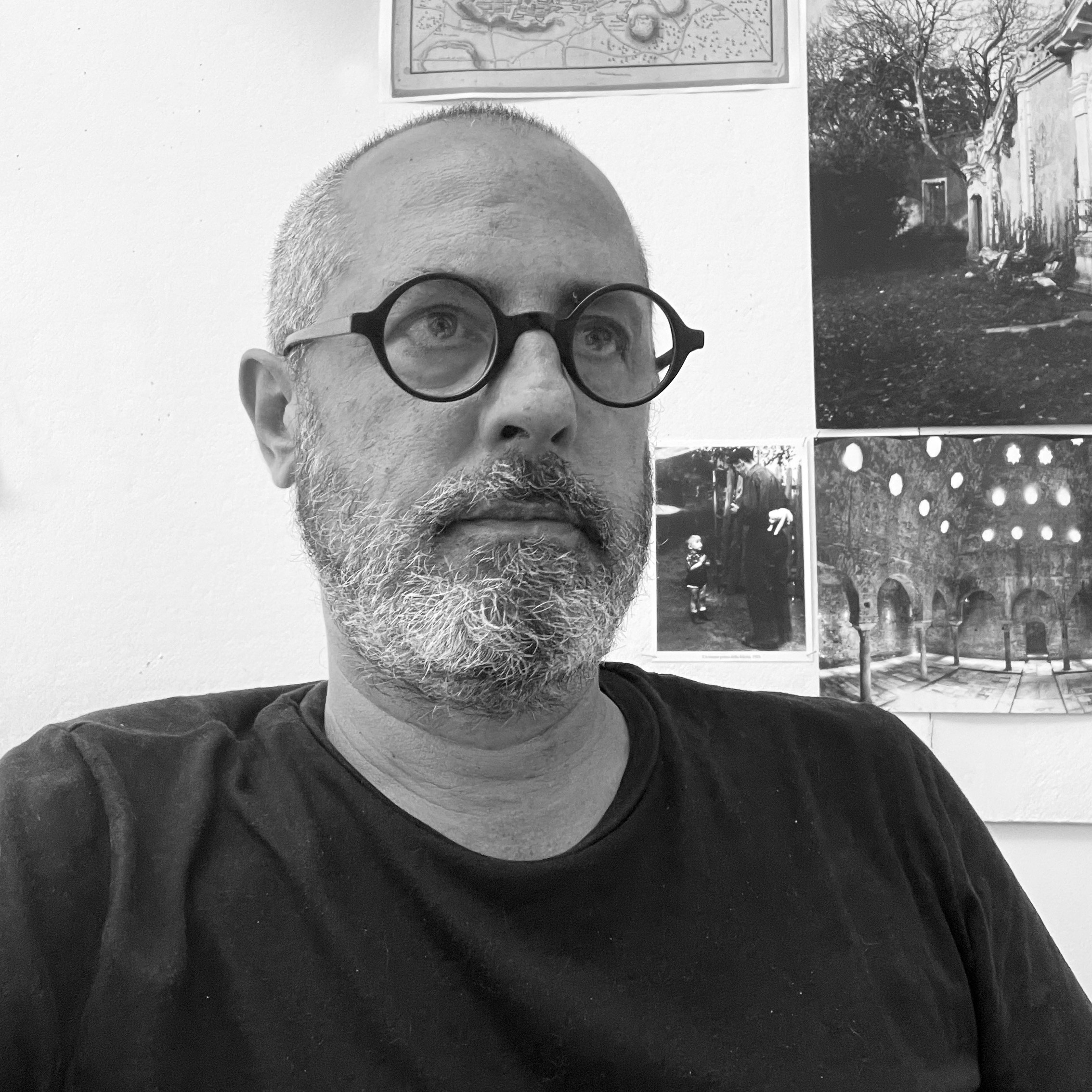
A conversation with Arqº Pedro Matos Gameiro
'I've been very lucky with my interlocutors, who realize that there is something more important than their momentary desire for the work. It's very important to open space for architecture to be made'
Tell us a little about your early career. Why architecture?
I don’t have any kind of heritage, no one who brought me to architecture. Today I might recognize that the memories I have of the various places I’ve lived have had some impact, but it’s a post-memory. It was something I built myself and it wasn’t until the end of the course that there was a real enchantment. I’ve also never had the marvelous experience of learning with a sort of tutor in a large office. I ended up developing my own systems and, of course, the closeness and friendship with other colleagues made me learn a lot. For the first eight years, I was in partnership with Carlos Crespo, then we each went our separate ways and I’ve been running the office since 2006.
However, you continue to work in partnership with various architects. What’s the advantage?
That was my learning process. Nowadays, young architects start out in collectives. When I started out, it was still common to form pairs or start out alone. But those who work as individual authors often need and are interested in working with other people. I’ve had several opportunities to work with people I really admire, and this makes it possible to do better projects, because the accumulated experience of working independently allows us to bring complementary visions, variations that interest us, to the discussion table, and this is an essential asset.
With 25 years’ experience, what distinguishes your work?
Fundamentally, we try to act in a way that is aware of our limitations, there are no geniuses, everything is the result of hard work, albeit very enjoyable. Here at the office, we always try to see what has remained over the years, what has been permanent in a certain type of building. We look at history with humility and learn from what has already been done. We are one of the links in the chain, we must have a lively and energetic look and realize that in history we have examples. The second aspect has to do with the place, and this is a characteristic that is very present in Portuguese architecture, there is a certain sensitivity to the expressions of each place. We must get to know and interpret the characteristics of the place, even if it means opposing it in some way.
You’ve been nominated for and won several architectural awards… How do you take these recognitions?
I’m not going to lie, it’s nice, it’s external validation. When we do architecture, we must have a certain self-confidence, we have to have doubts, not fear. And the validation that comes from the satisfaction of the people who inhabit space is very important. But when other people, from outside, validate our work, the better. I’ve been very lucky with the interlocutors, who tend to understand that there is a greater good than their momentary desire for the work. It’s very important to make space for architecture. When you build a house for a private client, it’s very easy to see if they’re satisfied; with public work, it’s more difficult. You have to understand how it spreads to the users, and there’s an aspect that’s fundamental to knowing if the building is well received, which is the way it’s treated. The library in Grândola, for example, has been built for a few years now and it’s as it was on the day it was inaugurated and anything they want to do, they ring up and ask me to draw it?
He has a PhD in Architecture and has been teaching at the University of Évora since 2004. What do you take away from this experience?
I’ve learnt a lot. Teaching design is collaborating with each student in turn on 30 different projects. I teach 2nd year students, and they come at a moment of maturity that is still low, and this is challenging, it allows for incredible freshness because starting from their naïve ideas opens up the field to explore hypotheses that I wouldn’t have explored in the first place. Then it’s mentoring. It’s a fundamental experience that puts me to the test. There are brilliant students who put me in a very demanding position. Learning is mutual, it’s six hours in high gear.
How do you see the future of the studio?
Year by year. This must be good; in the end the result has to relax us and make us think ‘I’m glad I was here to do this’. If there’s no work in five years’ time, I’ve done nothing to make that happen. Apart from 3 or 4 exceptions, no one can guarantee that in 10 years’ time they’ll have their studio up and running because architecture, as I like to understand it, I don’t know if it’s very popular today. I think architecture is increasingly a niche job. There’s another perspective on architecture that is feeding, with great success, an order whose main objective isn’t to produce architecture, it’s to build square meters and there are offices that respond much better than us, in a less passionate way, more to respond to the present than to think about the future. But I believe in people’s self-determination.
This interview is an integral part of Revista Artes & Letras #173, february 2025
Partially automatic translation from portuguese: some expressions may differ from their actual meaning.
News & Interviews
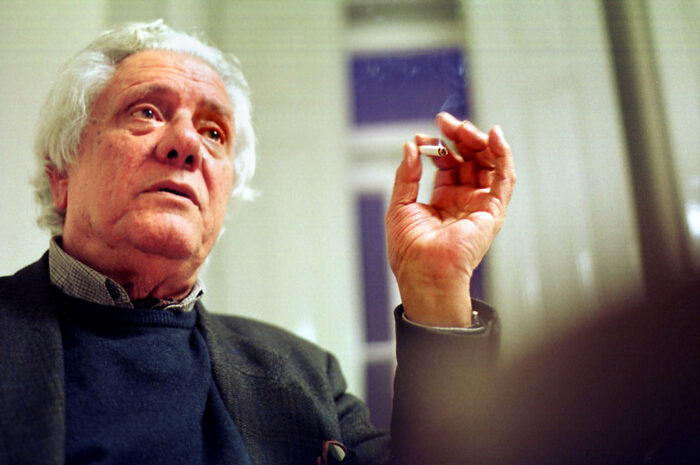
A conversation with Arqº Manuel Taínha
"I've never done anything just to show off, I like to recognize myself in the work I do and I recognize myself in all of it. I was the best I could be' Read more
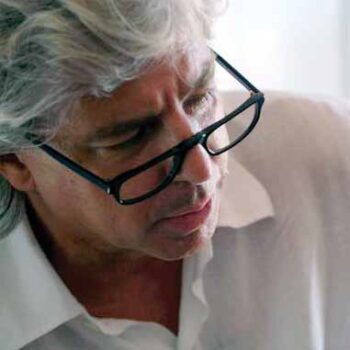
A conversation with Arch. Paulo David
‘It can be more exciting to build a home for a friend in my village, than to build a tower on 5th Avenue in New York for unknown users’ Read more
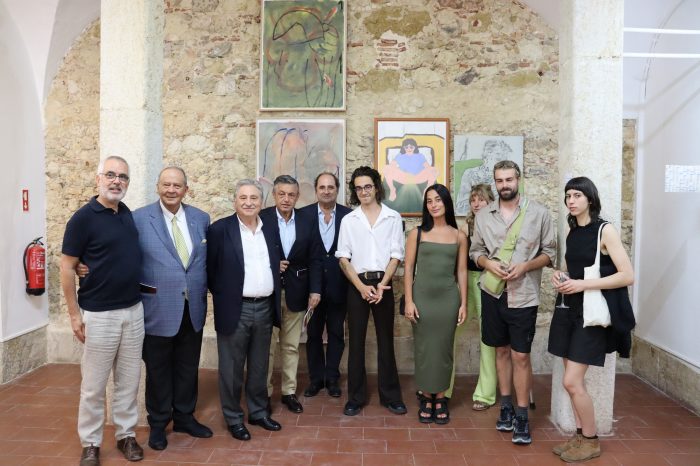
Young Artists Painting Exhibition – José Mendonça Award
Five national artists were awarded during the event that took place in Lisbon: Laura Caetano, Guilherme Figueiredo, Hermes, Ana Malta and Francisco Venâncio. Read more

